
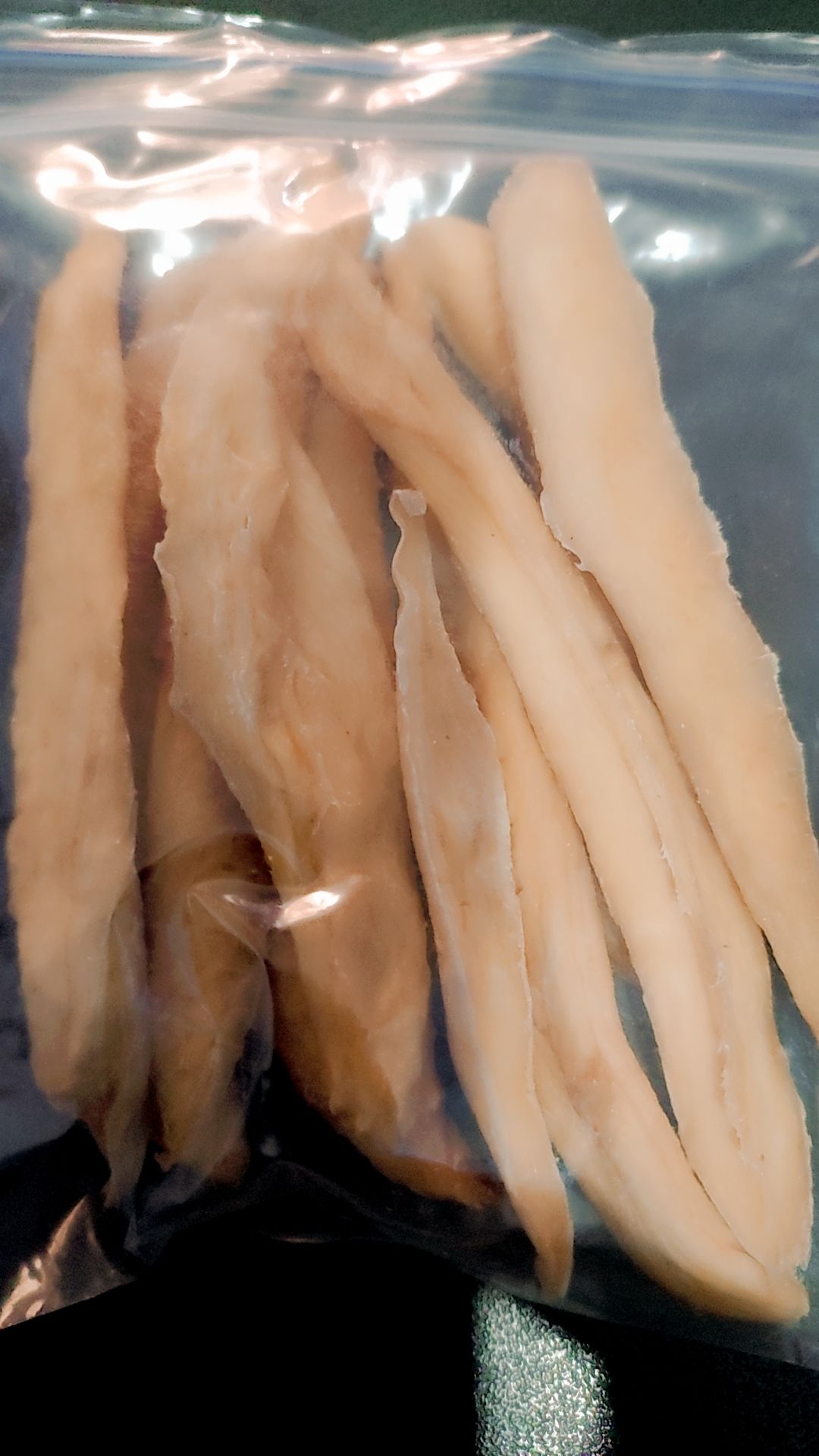

Dried mango is a popular snack made by dehydrating fresh mango slices. The process involves removing the water content from the fruit, which concentrates its natural sugars and flavors, resulting in a sweet and chewy snack. Here are some key points about dried mango:
- Nutritional Value: Dried mango retains many of the nutritional benefits of fresh mango, such as being a good source of vitamins A and C, as well as dietary fiber. However, the drying process can also concentrate sugars and calories, so it’s essential to consume dried mango in moderation.
- Flavor and Texture: Dried mango has a rich, intense flavor that is both sweet and tangy. The texture is chewy, and the dried fruit often has a slightly sticky surface due to its natural sugars.
- Usage: Dried mango is a convenient and portable snack that requires no refrigeration. It’s a popular choice for on-the-go snacking, hiking, or as an addition to trail mix. It can also be chopped and added to cereals, yogurt, or baked goods.
- Sulfur Dioxide: Some commercially available dried mango may contain sulfur dioxide, a preservative that helps retain the fruit’s color and prevent spoilage. While generally recognized as safe, some people may be sensitive to sulfites and should check the ingredient list if this is a concern.
- DIY Drying: You can make your own dried mango at home by slicing fresh mangoes thinly and dehydrating them using a food dehydrator or an oven set to a low temperature. This allows you to control the drying process and avoid added preservatives or sweeteners.
- Varieties: Dried mango may come in different forms, such as whole slices, strips, or diced pieces. Some versions are unsweetened, while others may be coated with sugar or other sweeteners.
Be the first to review “Dried Mango (50g)”
Related products

Gift Pack
₨400
Reviews
There are no reviews yet.